
From Insight to Implementation: Protecting the Hostel Model Post-Conference in Montréal
- northamericanhoste
- Apr 27
- 3 min read
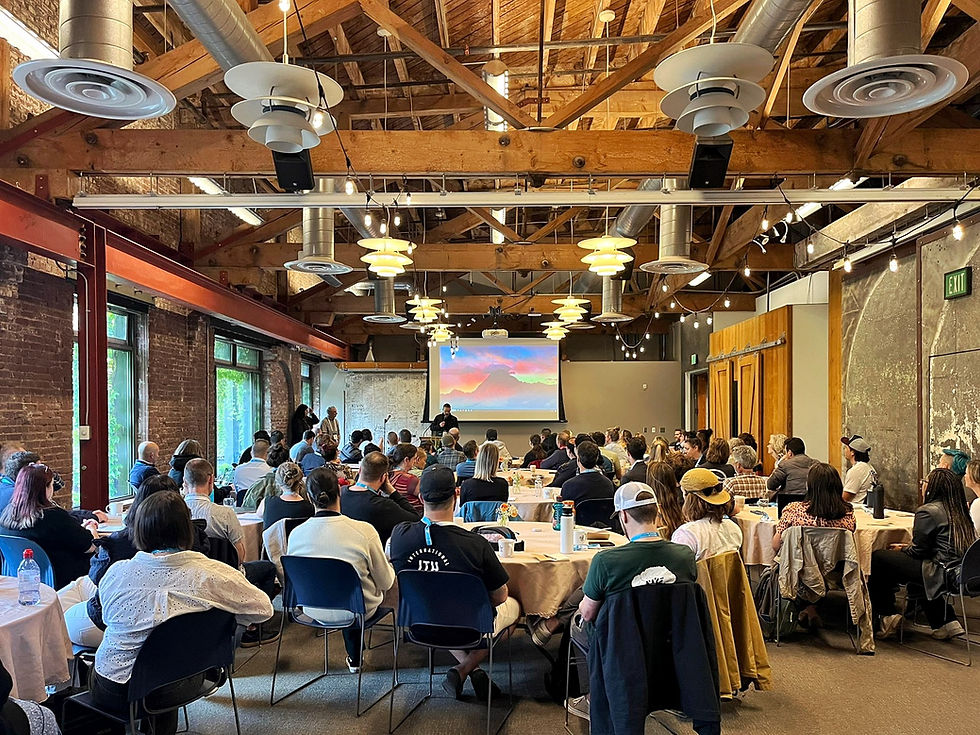
Gathering in Montréal for the NAHA 2026 Conference isn’t just a social ritual; it’s a strategic defensive play. As we look at the landscape of North American hospitality, the "convening" part is easy.
The "insight" part—specifically, taking what we’ve learned about regional regulations and applying it to our own front desks—is where the real work happens.
For most of us, the primary concern isn't just filling beds; it’s the increasingly complex battle over how local governments define our businesses.

Whether you are operating in a dense urban center or a mountain town, the distinction between a "hostel" and a "short-term rental" (STR) has never been more critical to our legal survival.
The Zoning Trap: Why Definition is Destiny
In many North American jurisdictions, hostels are being unfairly lumped into the same category as unhosted Airbnbs.
This is a massive operational risk. When a city passes a "ban on short-term rentals," a hostel without a clear, distinct zoning classification can find itself in the crosshairs of a code enforcement officer who doesn't understand our model.
The insights we’re sharing in Montréal focus on how to proactively engage with city planners to create a "Hostel-Specific" zoning tier. This isn't about avoiding taxes; it’s about ensuring that we are recognized as high-density, professionally managed community assets.
By standardizing our definition—shared rooms, central management, and 24/7 oversight—we can insulate our businesses from the volatility of the STR market regulations.
Operational Lean: Lessons from the Field, Post-Conference in Montréal
Once the regulatory dust settles, the day-to-day reality of running a hostel Post-Conference in Montréal in 2026 comes down to margin management. We are seeing a shift away from the "everything for everyone" approach.
Instead, successful operators are doubling down on what truly moves the needle: high-quality sleep and seamless check-ins.
Look at the operational footprint of members like Treasure State Hostel.
They’ve mastered the art of the "Lean Hostel." By focusing on a prime location and stripped-back, high-efficiency operations, they’ve survived the market fluctuations that have shuttered more bloated properties.
They are not trying to compete with the amenities of a five-star hotel; they are winning by offering a reliable, clean, and community-centric experience that a generic rental simply cannot replicate.
Building a "Resilient" Staffing Model
The final pillar of our 2026 insights involves the human element. The "Great Resignation" may be over, but the "Great Reshuffle" is ongoing.
We’re moving toward a model where staff are no longer just "key-givers" but "experience curators" who are supported by robust backend automation.
The goal is to automate the mundane—payment processing, ID verification, and Wi-Fi delivery—so that your team can focus on the high-value interactions that define the hostel experience.
A resilient hostel is one where the owner isn't tethered to the front desk because the systems are doing the heavy lifting.
In Montréal, we’re looking at the specific software stacks that allow small teams to perform like large hospitality groups.
Moving Forward Together

Insight without action is just a conversation. As we move through this month of convening, the challenge for every NAHA member is to take one "Montréal Insight" and audit your current operation against it.
Are your local bylaws protecting you? Is your tech stack saving you time, or costing you focus?
The North American hostel industry is entering a more professionalized, more regulated, and ultimately more stable era.
By leaning into the collective intelligence of the association, we ensure that no operator has to figure out the "new normal" on their own.


Comments